How Movie Soundtracks Build Suspense in Films Like iHostage on Netflix
The American Film Institute notes that sound and music are among the most important tools filmmakers use to shape emotion and tension. In modern thriller movies, audiences often react to what they hear before they fully process what they see. A quiet background tone, a slow heartbeat-like rhythm, or sudden silence can make a simple scene feel stressful within seconds. Streaming thrillers have embraced this approach, especially films centered on hostage situations, survival, and psychological pressure.
Modern Netflix thrillers frequently use restrained music instead of loud orchestral scores. This style creates a more realistic and intimate viewing experience for audiences watching from home. Discussions surrounding suspense-focused streaming films often point to sound design as a major reason viewers stay emotionally engaged throughout tense scenes. For readers interested in how this approach appears in contemporary streaming cinema, click here to read 2025 review of the movie iHostage on Netflix. Commentary surrounding the film highlights how pacing, atmosphere, and carefully controlled audio contribute to suspense.
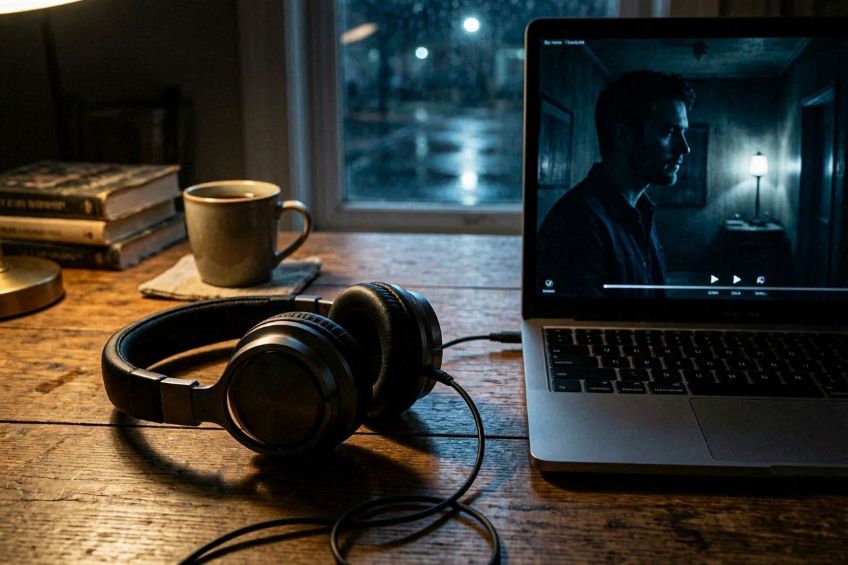
Why Soundtracks Matter in Thriller Movies
Music has always played a major role in suspense films. Earlier thrillers often relied on dramatic orchestral music to signal danger or emotional conflict. Today’s streaming thrillers usually take a quieter approach. Instead of overwhelming viewers with loud music, filmmakers often build tension slowly through subtle sounds and minimal scoring.
University College London researchers studying emotional responses to sound found that audio cues can influence stress and anticipation faster than visual information alone. This explains why thriller soundtracks often use repetitive tones, low-frequency sounds, and long moments of silence. These techniques create emotional discomfort even before major events happen onscreen.
Audiences may not always notice these sound choices consciously, but they still respond emotionally. A faint buzzing sound, distant footsteps, or soft electronic pulses can quietly increase anxiety during tense scenes. This style works especially well in hostage and survival narratives because uncertainty is central to the story.
How Minimalist Music Creates Tension
Minimalist soundtracks have become common in streaming thrillers because they feel more realistic and immersive. Instead of using large orchestras and dramatic melodies, many modern films rely on small layers of sound. These can include soft drones, breathing sounds, environmental noise, or slow rhythmic beats.
Berklee College of Music explains that silence itself can become a storytelling tool. When music suddenly disappears during an intense moment, viewers naturally expect something important to happen. That anticipation increases emotional tension.
Many suspense films also use repetitive sounds to create uneasiness. A slow pulse repeated throughout a scene can resemble a heartbeat. As the tension rises, the rhythm may gradually speed up. Even subtle changes like this can affect how viewers experience fear and anticipation.
Streaming thrillers often avoid excessive musical buildup because modern audiences respond more strongly to realism. Quiet soundtracks allow viewers to focus on facial expressions, dialogue, and small environmental details. This creates a feeling of being trapped inside the situation alongside the characters.
How iHostage Uses Sound to Support Suspense
Hostage stories depend heavily on emotional pressure, which makes sound design especially important. Films like iHostage use restrained music and slow pacing to create a constant sense of uncertainty. Rather than relying on nonstop action, tension grows through atmosphere and emotional buildup.
Viewers discussing the Netflix thriller have often focused on how the film maintains suspense during quieter moments. The soundtrack does not dominate scenes. Instead, the audio stays controlled and subtle, allowing small sounds to feel emotionally significant. Background noise, silence, and slow musical transitions help build psychological pressure throughout the story.
The British Film Institute has observed that modern thrillers increasingly favor emotional realism over spectacle-heavy action. This trend is visible in many streaming productions where suspense comes from atmosphere rather than explosive scenes. In hostage-centered narratives, viewers are often more affected by uncertainty than by visual action itself.
That approach fits naturally with streaming audiences. People watching from home usually experience films through headphones, televisions, or smaller speakers in quieter environments. Because of this, subtle sound design becomes more noticeable and emotionally effective.
Why Streaming Platforms Favor This Style
Streaming services have changed how thriller movies are produced and experienced. Traditional cinema releases were designed for large theater sound systems. Streaming films, however, are often mixed for personal viewing environments.
Deloitte Digital Media Trends reports that audiences increasingly prefer character-driven suspense stories with emotional realism. As a result, many streaming thrillers focus less on loud action scenes and more on psychological tension.
This change has influenced how composers create soundtracks. Modern thriller scores are often softer and more controlled because viewers can hear small details more clearly at home. A whisper, a door creak, or distant static noise may feel more intense through headphones than through a crowded movie theater speaker system.
Netflix thrillers frequently use this style because it keeps viewers emotionally connected for longer periods. Slow pacing combined with restrained sound encourages audiences to stay alert. Instead of quick bursts of excitement, tension builds gradually scene by scene.
How Music and Visual Pacing Work Together
Soundtracks become even more powerful when paired with careful visual pacing. Many modern thrillers use slow camera movements, tight framing, and long pauses to increase emotional pressure. Music supports these visual choices rather than overpowering them.
Silence often plays a major role in this process. A quiet room with faint background noise can feel more stressful than loud music. Viewers begin focusing on small details because they expect something to happen. That anticipation keeps suspense alive even during scenes with little action.
The Journal of Neuroscience has published research showing that the brain naturally searches for patterns in sound. When repetitive audio suddenly changes or stops, emotional reactions become stronger. Thriller filmmakers use this psychological response carefully to shape tension.
Streaming thrillers like iHostage show how music and visuals now work together as part of one emotional experience. Instead of relying entirely on dramatic action scenes, filmmakers use pacing, silence, and restrained sound to create suspense that feels realistic and immersive.
READ ALSO: The Worlds Of Music & Video Games Are Moving Closer
Conclusion
Modern thriller movies use soundtracks differently than films from earlier decades. Minimalist music, ambient noise, and strategic silence have become central tools for building suspense in streaming cinema. These techniques help viewers feel emotionally connected to hostage and survival stories without relying on constant action.
Films such as iHostage demonstrate how careful sound design can shape emotional tension throughout a movie. Discussions and reviews surrounding the Netflix thriller continue to highlight how restrained music and pacing contribute to suspense. As streaming platforms continue investing in psychological thrillers, subtle audio storytelling will likely remain one of the most effective ways filmmakers keep audiences emotionally engaged.
About The Author
