Audio-Visual Performances in Modern Art Spaces: How It All Began
The art spaces are no longer limited by the conventional galleries and exhibits. Audio-visual performances are now one of the biggest hits in contemporary creative settings. These events are performed using sound, light, and movement to produce immersive experiences. This post discusses the emergence of audio-visual events in modern art galleries.
A Combination of Light Design and Soundscapes
Artists are combining music with elaborate lighting mechanisms. The beats and melodies are aligned with light patterns to add to the experience. This blend makes a strong impression on viewers’ senses.
Interactive Sensory-Engaging Environments
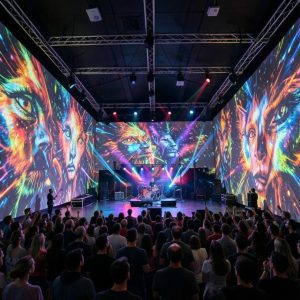 Contemporary art galleries are giving attention to multi-sensualization. Tourists are able to tour around spaces where they are encircled by sound and images. This experience makes people experience art differently.
Live Performances That Blow Creative Limits
Live performances of artists and musicians are common in audio-visual shows. These performances are a blend of improvisation and digital technology. The outcome is a different experience that is never the same.
Technology: The Heart of Artistic Expression
Such tools as projection mapping and digital sound design are required. These technologies are used by artists to create rich and stratified experiences. This brings out the escalating correlation between creativity and innovation.
End Notes
Modern art spaces are becoming immersive through audio-visual performances. They blend music, pictures, and technology in creative forms. This tendency is re-conceptualizing the ways in which viewers view art. With the further development of technology, such performances will become even more active and powerful.
About The Author
